How to measure the membrane resistance of flow battery? Summarize four kinds of measured questions FAQ
Classification:Company News
- Author:ZH Energy Tech Team
- Release time:Nov-06-2026
【 Summary 】Surface resistance is the core test index of flow battery membrane, but the test results vary greatly, and the problem often lies in the test method rather than the membrane itself.
Lead: Surface resistance is almost the first index that all customers test after they get the membrane of flow battery-it reflects the difficulty of ion crossing the membrane, and it is the basic data for evaluating membrane performance, judging batch stability and carrying out type selection and acceptance. However, the measured surface resistance of the same film and different testers is often obviously different: the problem is not necessarily the film itself, but the standardization of the test method.
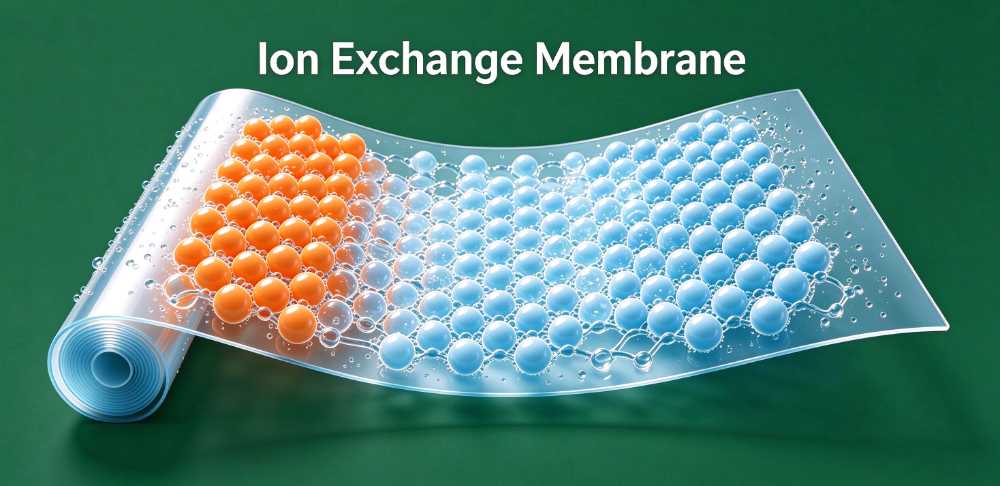
Focusing on the high frequency problem in customer docking of neutralization energy storage technology service team, this paper sorts out one by one according to what to measure-how to calculate-why the data is unstable-how to save the membrane, so as to establish a reusable and horizontally comparable judgment standard for colleagues in the industry.
01 Test what: Test direction and device
The surface resistance measures the resistance of ions passing through-plane membrane vertically, that is, the membrane surface resistance-this is the real path of ion migration when the battery is running. The effective area of the device is 1 cm, and the diaphragm size is larger than 2cm×2cm, so it can be tested on the computer.
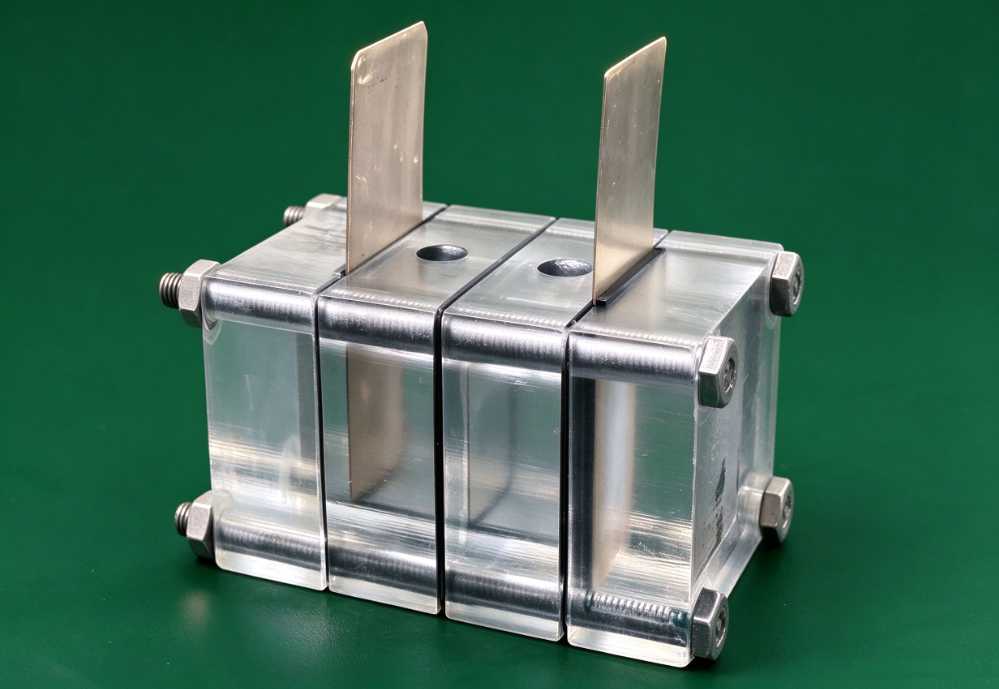
There are no strict specifications for equipment, and electrochemical workstations with impedance testing function can be competent. In terms of electrode connection, the three-electrode configuration can meet the conventional requirements; If the four-electrode connection method is adopted, the auxiliary electrode and the working electrode can be placed on the same side of the membrane.
02 How to calculate: blank difference method
The core of data processing is the difference method: first test a set of data with film, and then test a set of blank data (only electrolyte, no film). The difference between the two is the real contribution of the film itself to the resistance.
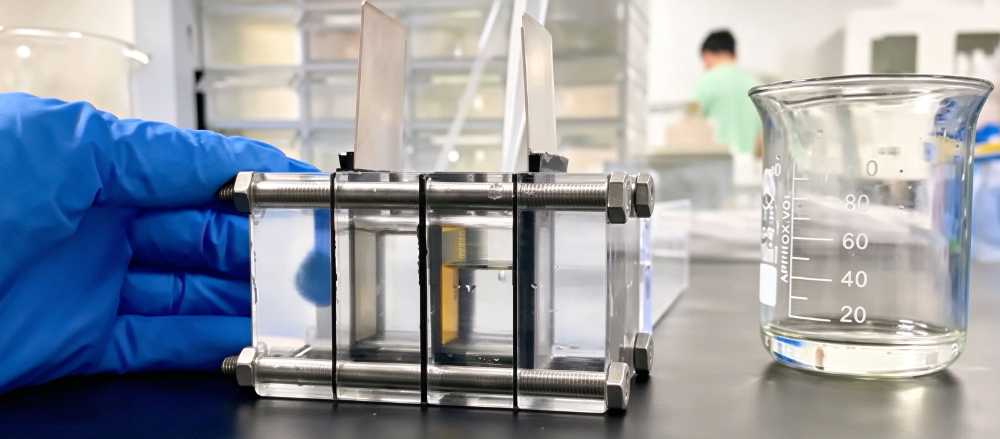
Need special reminder: the blank resistance value is not small, and the data will be systematically large if the film resistance value is directly taken as the final result. Skipping blank correction is the most common and hidden error source in testing.
03 Why the data is unstable: three sources
① device. After the device is put into use for the first time or the electrolyte is replaced, it will take some time for the membrane to complete the infiltration and ion exchange balance. At this stage, the high resistance is normal, so the first two sets of data are suggested to be discarded.
Recommended order: measure two groups of membrane samples first, then measure a group of blank, and re-measure membrane samples for confirmation. The device stability and blank value reproducibility can be verified at the same time.
② temperature. The increase of temperature will increase the ion migration rate and decrease the membrane impedance. If the resistance value continues to decrease in a single measurement, first check whether the ambient temperature is constant.
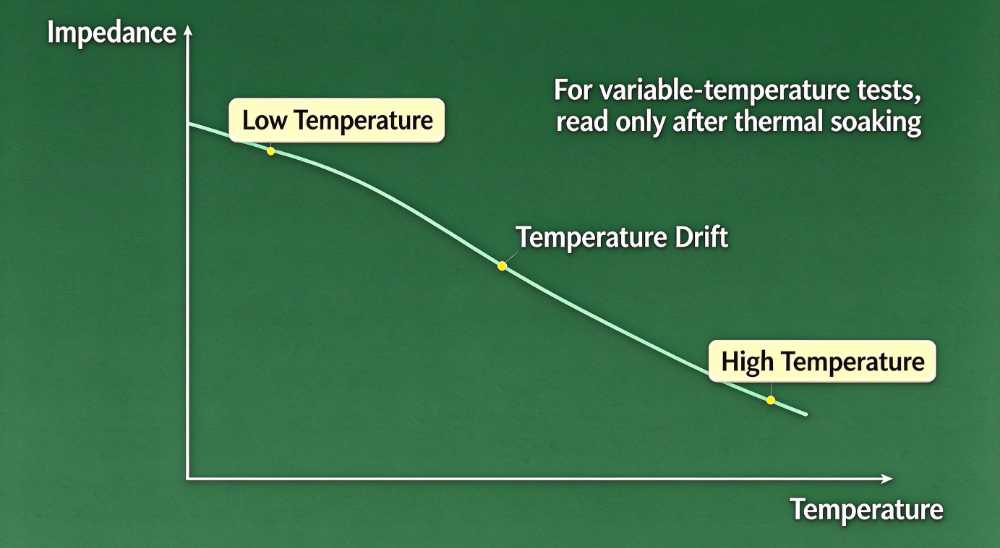
During the temperature change test, the whole device must be placed in a constant temperature environment, let stand for about 20 minutes before reading, and simultaneously record the actual temperature.
③ electrode. The surface of silver electrode is yellow, which is the adhesion trace or oxide layer after contacting with reagent, and does not constitute electrode failure. It can be recovered by light grinding with sandpaper of more than 2000 mesh until the metallic luster is exposed, which has no effect on the test results.
A customer asked to switch to platinum electrodes: the material and processing cost of a pair of platinum electrodes is in the order of several thousand yuan to ten thousand yuan, and the price fluctuates with the precious metal market. For routine testing, it is more economical and effective to regularly polish the silver electrode.
04 Preservation and appearance of film
Preservation and processing: the membrane may fall off and shrink from the basement membrane for a long time, which leads to the inability to assemble-so it is usually not pre-punched, but processed immediately as required to avoid dimensional changes in the inventory process.
Rinsing and drying: the film will shrink after washing and drying, which will directly push up the surface resistance. In case of dust removal, it should be immediately re-soaked into electrolyte or deionized water after washing, and it should be fully soaked when installed.
Batch color difference: the color and transparency of different batches of films are different, which is due to the different precipitation degree of additives and belongs to the normal fluctuation of appearance level; It has no influence on the battery performance, so it does not need to be treated as a quality problem.
Surface resistance is the "physical examination index" of flow battery membrane, and the standardization of testing method determines whether this index is really credible. Repeatability and comparability of data is the premise of effective communication and selection judgment in the industry.